

Explore our displays
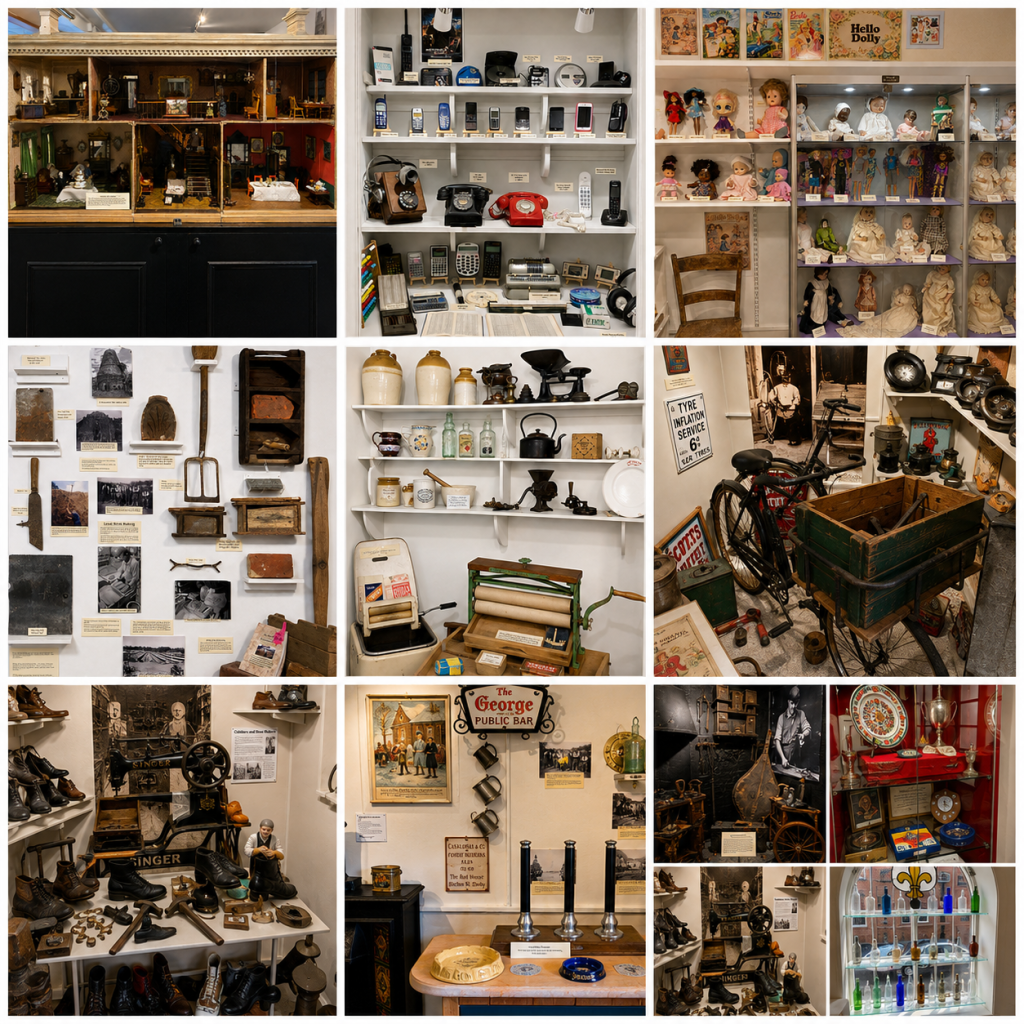
Discover the people, trades and everyday life of Fordingbridge and the surrounding villages. Our displays are spread across two floors of our historic former granary.
Household life through the years
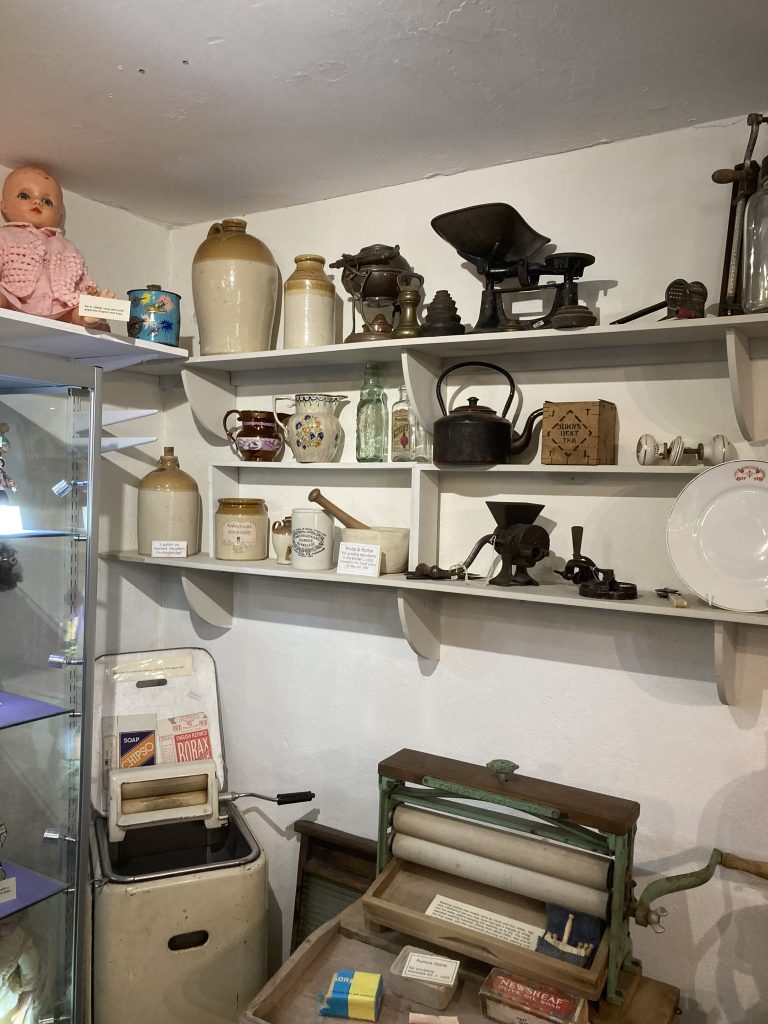
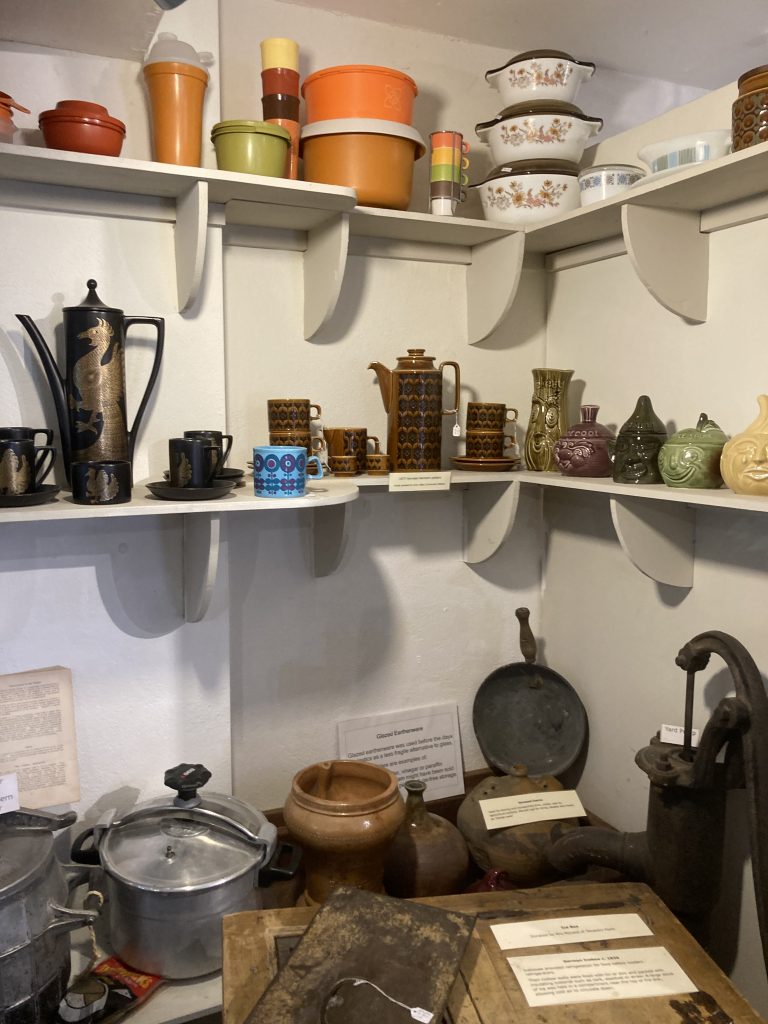
From mangles and washing dollies to Pyrex, Hornsea pottery and Tupperware, discover how everyday life in local homes changed during the twentieth century.
The Victorian dolls’ house
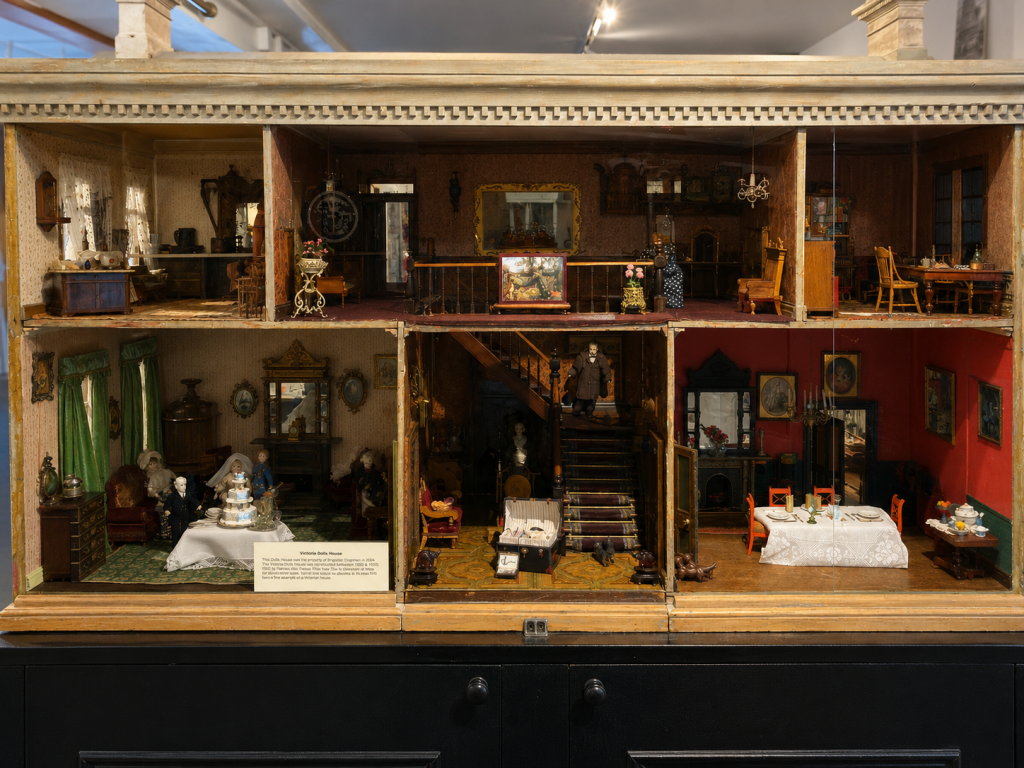
Explore our wonderfully detailed furnished dolls’ house, from the family’s formal rooms to the servants’ quarters, nursery and stables.
Local shops and trades
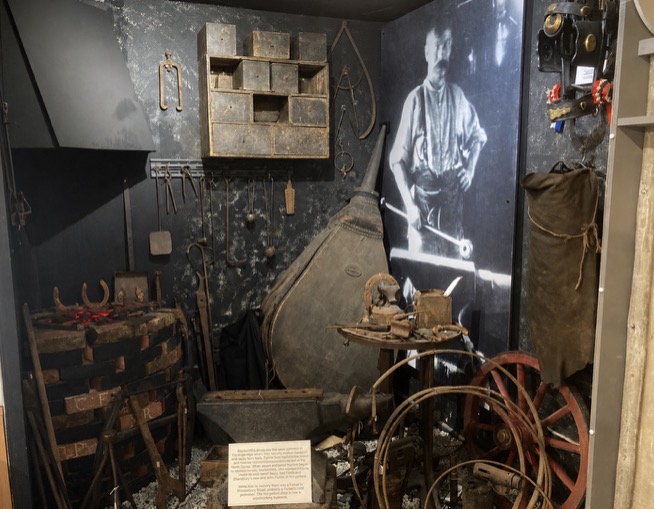
Step inside displays recreating the work of Fordingbridge’s blacksmiths, cobblers and cycle repairers.
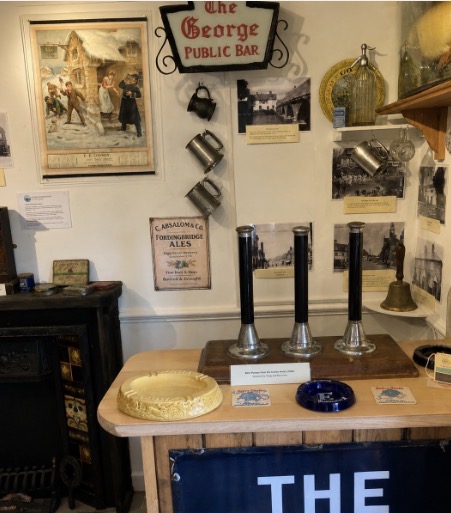
Pubs and Inns of Fordingbridge
Discover the important part pubs and inns have played in the life of Fordingbridge. Our display includes historic photographs, bottles, drinking vessels, signs and other objects connected with the town’s many public houses. It offers a glimpse into the days when local pubs were not only places to enjoy a drink, but also busy meeting places at the heart of the community.
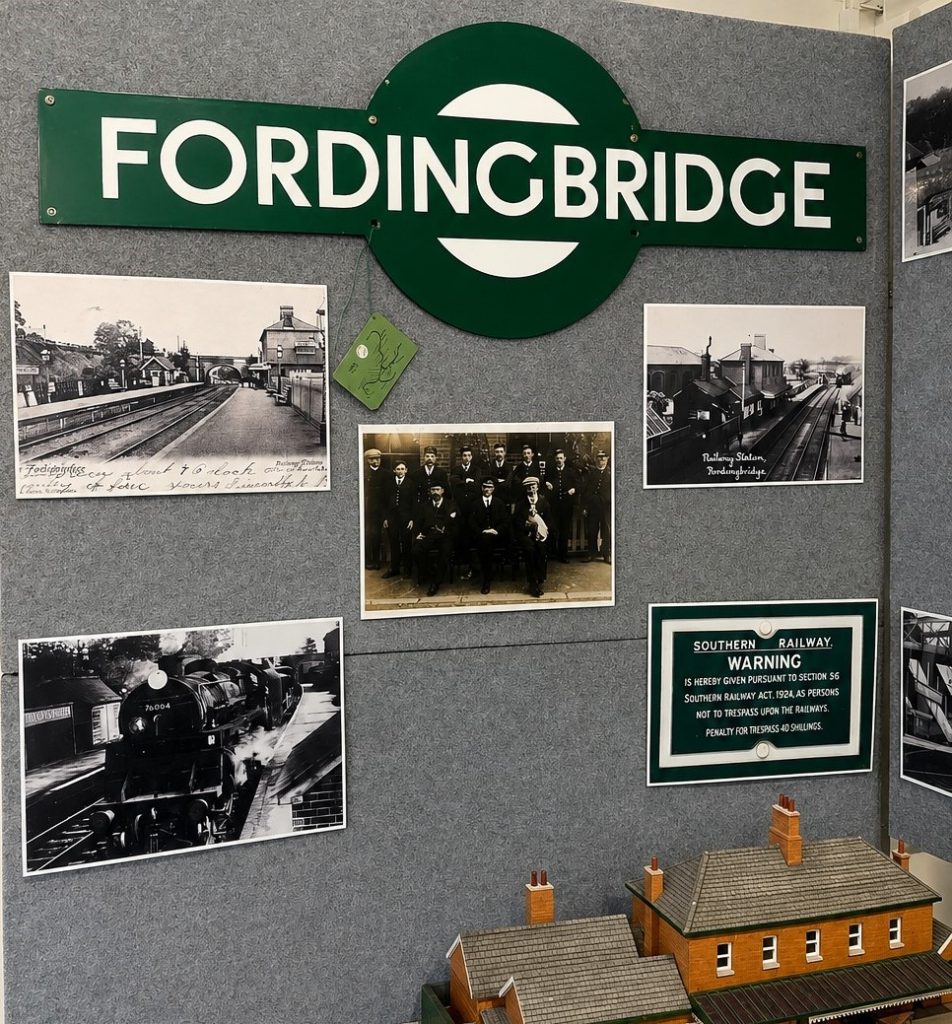
Discover the story of Fordingbridge’s former railway station through photographs, railway memorabilia and a detailed model of the station buildings. The display recalls the people who worked there, the trains that passed through and the important part the railway once played in the life of the town.
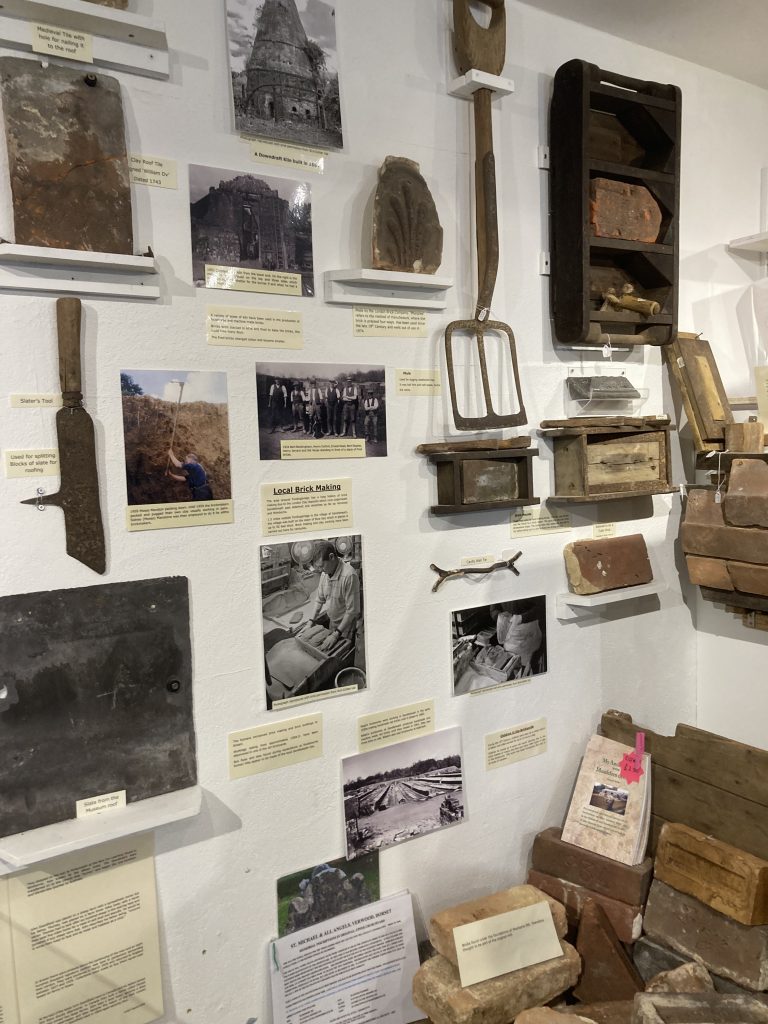
Brick making was once an important local industry, using clay dug from the surrounding area. Our display brings together traditional tools, moulds, photographs and locally made bricks, showing the skilled and often demanding work involved. It offers a fascinating glimpse into the people and small brickworks that helped shape Fordingbridge and the villages around it.
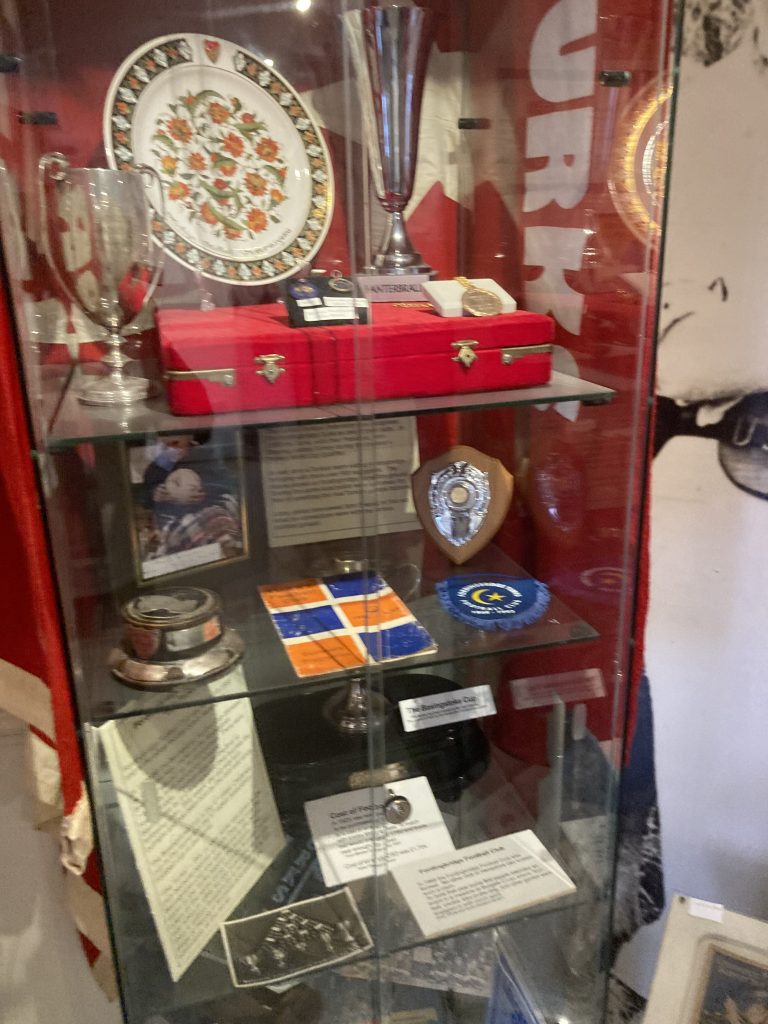
Football has been part of Fordingbridge life for more than 150 years. Fordingbridge Turks FC was founded in 1868, making it one of the oldest surviving football clubs in England, and in 1887 it became a founder member of the Hampshire Football Association.
The club also gave an early start to local footballer Frank Jefferis, who went on to play for Southampton, Everton and England. Today the Turks remain very much a community club, with teams ranging from young children through to adult football.
Our display brings together trophies, medals, photographs and other memorabilia celebrating the long and proud history of Fordingbridge’s own football club.
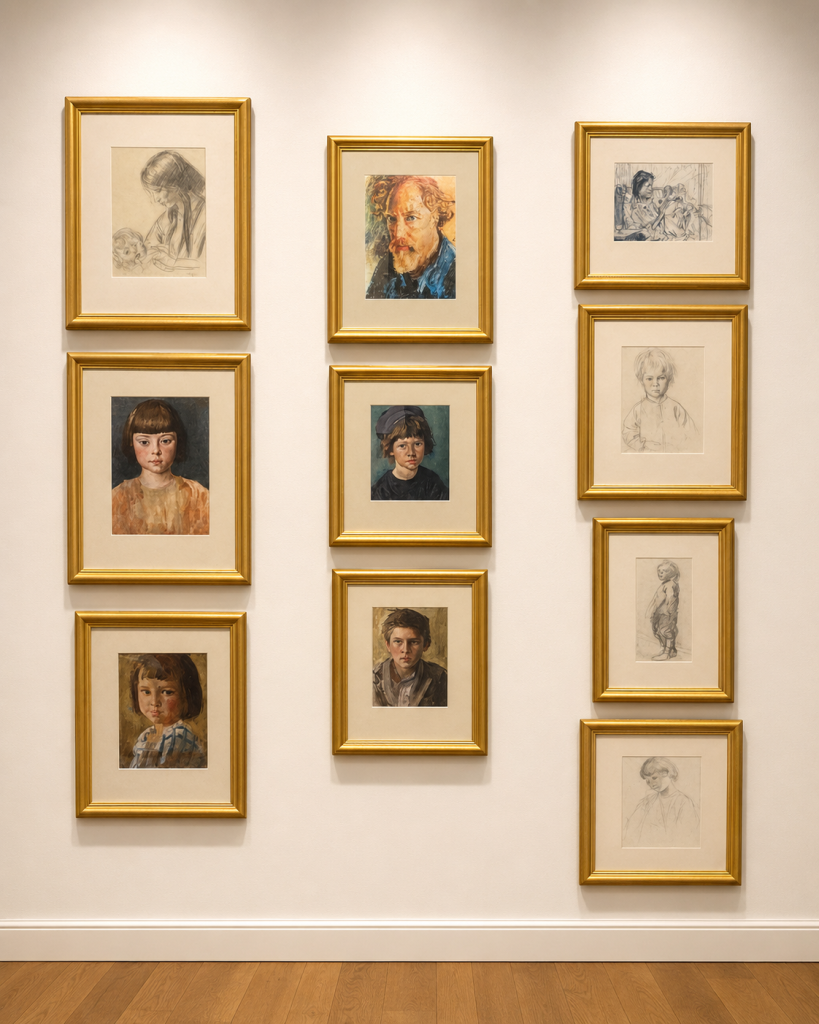
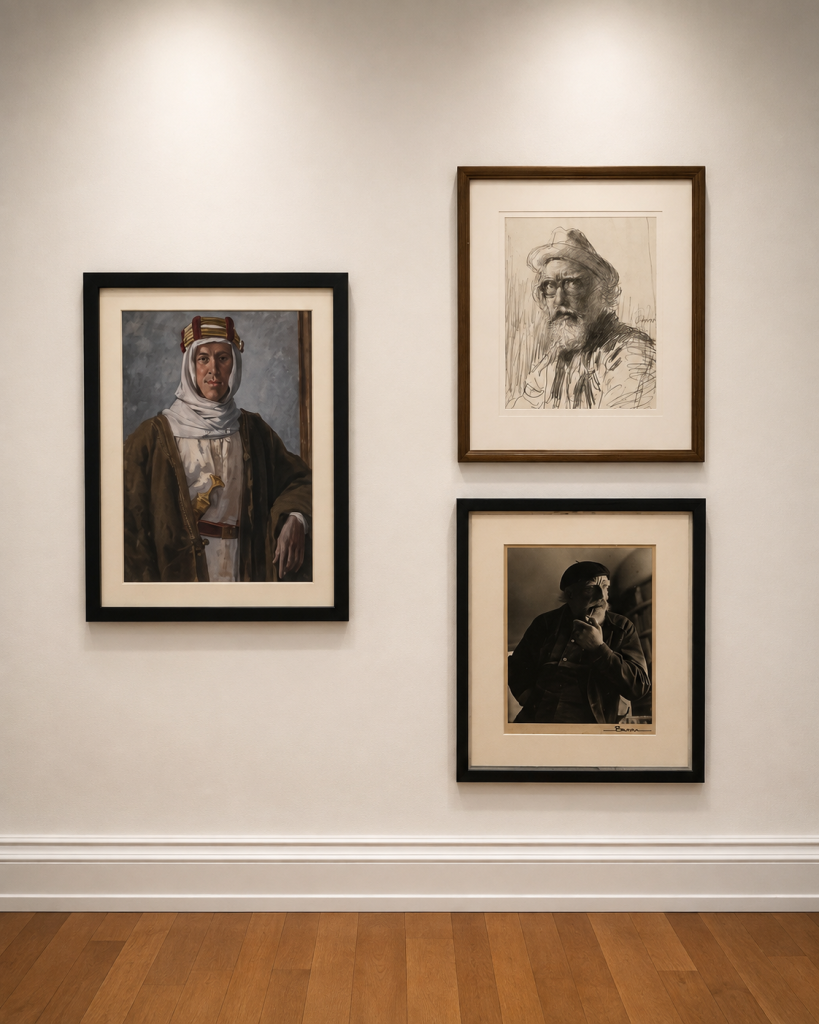
Augustus John – Fordingbridge’s Famous Artist
Augustus John (1878–1961) was one of the best-known British artists of the early 20th century, celebrated particularly for his portraits and drawings. In 1927 he moved to Fryern Court, near Fordingbridge, where he lived and worked for the rest of his life. His home became a lively gathering place for artists, writers and other visitors, and a purpose-built studio was added in the 1930s.
John was famous not only for his art but also for his colourful, unconventional character. He had a strong interest in Romany culture and became an outspoken supporter of the rights of travelling families in the New Forest. Locally he became a familiar and memorable figure.
He died at Fryern Court in 1961 and is buried in Fordingbridge. Today his connection with the town is commemorated by the striking bronze statue beside the River Avon, sculpted by Ivor Roberts-Jones and unveiled in 1967.
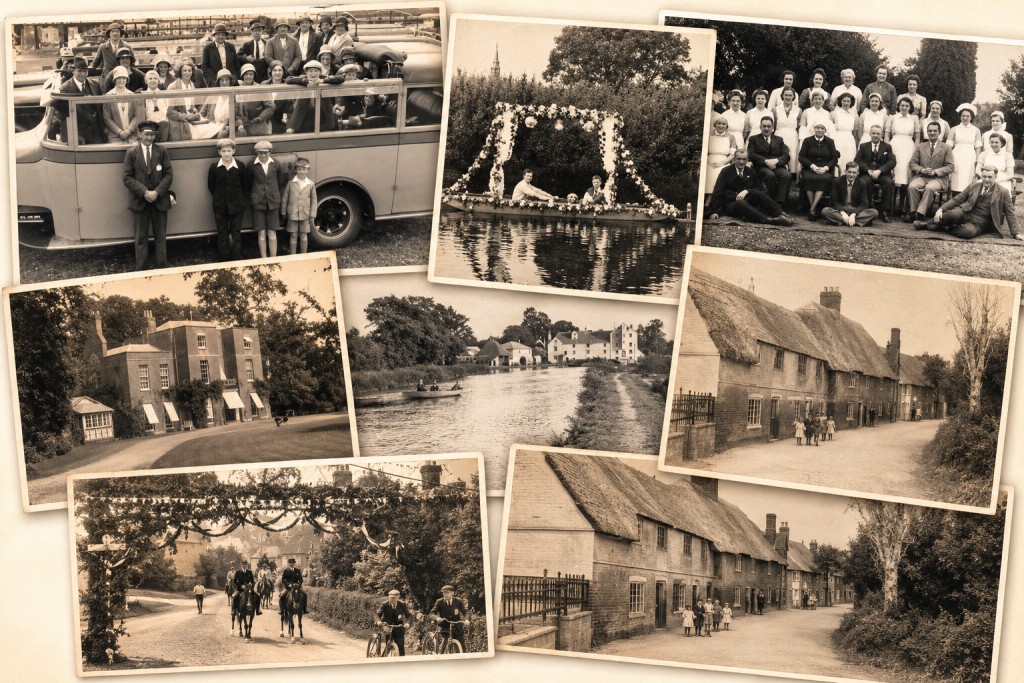
Explore Fordingbridge in Photographs
Step back in time through our collection of hundreds of historic photographs of Fordingbridge and the surrounding villages.
The collection captures everyday life across the generations — familiar streets and buildings, local shops and businesses, schools, village celebrations, river scenes, transport, workplaces and, most importantly, the people who lived and worked here.
Some places have changed beyond recognition, while others will still look surprisingly familiar today. Together, these photographs provide a wonderful visual record of our town and neighbouring communities and help bring their stories to life.